 Leona V.
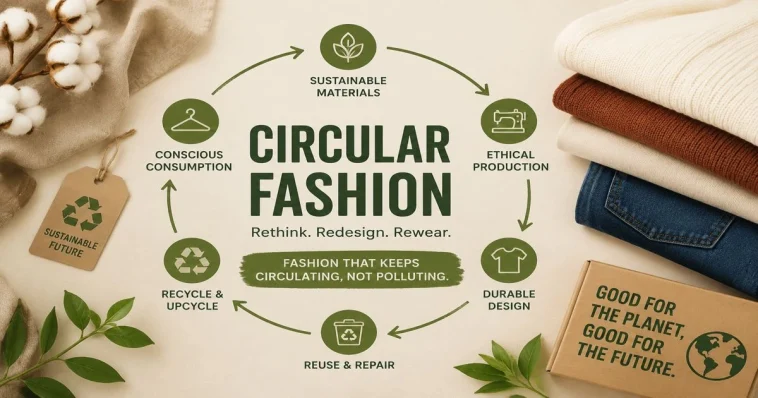
Fashion is one of the world’s largest industries, but it’s also one of the biggest contributors to environmental damage. As the planet faces the pressures of climate change, sustainability has become a growing concern in every sector, and the fashion industry is no exception. Circular fashion brands are leading the charge toward a more sustainable future by changing how clothing is made, used, and disposed of. This shift is not just about making clothes that are better for the environment; it’s about revolutionizing the entire lifecycle of fashion.
In this article, we’ll explore what circular fashion is, how circular fashion brands are setting the bar for eco-friendly practices, and the profound impact they’re having on the fashion industry and the environment.
What Is Circular Fashion?
Circular fashion is a system that aims to extend the lifecycle of clothing by reusing, recycling, and redesigning products to reduce waste and conserve resources. Unlike the traditional “take, make, dispose” model of the fashion industry, where clothes are produced, sold, worn, and discarded, circular fashion focuses on creating products that can be repurposed or upcycled when they no longer serve their original purpose.
The essence of circular fashion lies in the idea that garments should be designed with their end-of-life in mind. The goal is to keep clothing in use for as long as possible, whether by repairing, reselling, recycling, or transforming old garments into something new. This sustainable approach contrasts with the fast fashion model, which promotes frequent purchases and the disposal of low-quality, short-lived clothing.
Circular Fashion Brands: Leading the Way in Sustainability
Circular fashion brands are taking bold steps to shift the fashion industry towards sustainability. These companies focus on creating products with minimal environmental impact, using eco-friendly materials, and ensuring their garments can be reused, repaired, or recycled. Some of the most notable circular fashion brands include Patagonia, Reformation, Eileen Fisher, and Stella McCartney, all of which have adopted practices that prioritize sustainability and circularity in their operations.
Key Characteristics of Circular Fashion Brands:
✔️Use of Sustainable Materials
Circular fashion brands often use organic, recycled, or biodegradable materials that are less harmful to the environment. Circular fashion brands commonly use materials such as organic cotton, recycled polyester, and Tencel.
✔️Design for Longevity
These brands design clothing that is durable and timeless. Unlike fast fashion, which focuses on trends that fade quickly, circular fashion is about creating pieces that can last for years and even be passed down.
✔️Take-Back Programs
Many circular fashion brands offer take-back programs that allow consumers to return their old clothes for recycling or upcycling. This helps close the loop and ensures that old garments do not end up in landfills.
✔️Repurposing and Upcycling
Circular fashion brands are also known for repurposing old clothes and materials. For instance, Patagonia offers a program called “Worn Wear,” allowing customers to purchase used Patagonia items or trade in their old gear for store credit
✔️Ethical Labor Practices
These brands also prioritize fair labor practices, ensuring that workers are paid fairly and work in safe conditions. The ethical aspect of circular fashion is just as important as its environmental impact.
The Environmental Impact of Circular Fashion
The fashion industry is one of the biggest polluters on the planet, responsible for millions of tons of waste each year. Clothing production uses large quantities of water, energy, and raw materials. Additionally, fast fashion’s “take, make, dispose“ model generates significant waste, as millions of tons of clothing are discarded each year.
For example, Eileen Fisher, a leading circular fashion brand, has been investing heavily in programs to recycle and repurpose garments, including creating new pieces from old fabric. This reduces the environmental impact of manufacturing new clothing and ensures that garments don’t end up in landfills.
How Circular Fashion Brands Are Innovating
Circular fashion brands continuously innovate to enhance their sustainability practices. By adopting creative solutions to common problems, they are redefining what it means to be a sustainable brand in the fashion industry.
Closed-Loop Systems and Recycling Innovations
One of the key innovations in circular fashion is the closed-loop system. This is where garments are collected at the end of their life and recycled into new fabric, which is then used to create new clothing. Brands such as H&M and Levi’s are exploring closed-loop recycling, transforming old garments into fresh, usable materials.
Additionally, brands like Stella McCartney are innovating with alternative materials. They’ve introduced sustainable materials like mushroom leather and lab-grown fibers, which have a lower environmental impact than traditional leather and synthetics.
The Rise of Renting and Reselling
Another innovation driven by circular fashion brands is the rise of clothing rental and reselling platforms. Renting and reselling clothes allow consumers to enjoy high-quality, fashionable pieces without contributing to overconsumption or waste.
Rent the Runway and ThredUp are two popular platforms that allow users to rent or buy pre-loved fashion. These platforms help reduce the demand for new clothing production by giving garments a second life. Renting high-end fashion for special occasions or everyday wear also reduces the overall carbon footprint, as fewer new garments are being produced.
How Circular Fashion Brands Are Promoting Conscious Consumerism
Circular fashion is not just about creating eco-friendly products; it’s also about promoting conscious consumerism. These brands encourage shoppers to think more critically about what they buy and how often they purchase new items.
Quality Over Quantity
Circular fashion brands emphasize quality over quantity. Rather than encouraging consumers to buy countless cheap, trendy items, they focus on creating durable, well-made pieces that can be worn for years. By buying fewer, higher-quality items, consumers can help reduce overconsumption and waste.
Everlane is one such brand that promotes this philosophy. They focus on making high-quality, durable clothing that lasts longer. Everlane also provides transparency into the cost of its products and the impact of its production process, helping consumers make more informed choices.
Repair and Care Programs
Circular fashion brands often offer repair services or instructions on how to take care of garments to extend their lifespan. Patagonia’s Worn Wear initiative encourages consumers to buy used clothing, repair their old pieces, and trade in items for store credit. This initiative promotes the idea that clothes should be cared for and repaired rather than discarded when damaged.
The Benefits of Supporting Circular Fashion Brands
Supporting circular fashion brands not only benefits the environment but also helps build a more sustainable and ethical fashion industry. Here are some key reasons why consumers should consider choosing circular fashion:
1. Reduced Environmental Impact: Circular fashion reduces waste, pollution, and the demand for raw materials, leading to a more sustainable production cycle.
2. Ethical Labor Practices: Many circular fashion brands prioritize fair wages and safe working conditions, promoting social justice within the fashion industry.
3. Timeless Style: Circular fashion encourages buying fewer, higher-quality pieces that stand the test of time, reducing the need for constant purchasing and disposal.
4. Support for Innovation: By choosing circular fashion brands, consumers support innovative solutions like recycling, upcycling, and the development of sustainable materials.
Frequently Asked Questions
- What Are Circular Fashion Brands?
Circular fashion brands prioritize the reuse, recycling, and repurposing of materials to create sustainable clothing. These brands emphasize reducing waste, using eco-friendly materials, and designing garments to last longer.
- How Do Circular Fashion Brands Help The Environment?
Circular fashion brands minimize waste by encouraging recycling and reusing old clothes. They reduce the need for raw materials, limit pollution, and focus on creating durable, eco-friendly products, helping to decrease the fashion industry’s environmental impact.
- What Makes Circular Fashion Different From Fast Fashion?
While fast fashion focuses on producing cheap, trendy items quickly, circular fashion emphasizes long-lasting, sustainable pieces. Circular fashion reduces overproduction and waste by promoting reuse and recycling, whereas fast fashion contributes significantly to textile waste.
- Are Circular Fashion Brands More Expensive Than Traditional Fashion Brands?
Circular fashion brands may incur higher upfront costs due to their focus on quality, sustainable materials, and ethical labor practices. However, the investment is often worth it, as these garments are designed to last longer, reducing the need for frequent repurchases.
- How Can I Support Circular Fashion Brands?
Supporting circular fashion brands involves buying from companies that prioritize sustainability, choosing high-quality, long-lasting items, and participating in clothing take-back or recycling programs. You can also consider secondhand shopping and embracing clothing rental services.
A Sustainable Future for Fashion
The shift towards circular fashion is a powerful movement that is redefining the future of the fashion industry. Circular fashion brands are showing that it’s possible to create stylish, high-quality clothing while minimizing waste, conserving resources, and promoting ethical production practices. While the fast fashion industry continues to grow, circular fashion offers a more sustainable, mindful alternative for those who care about the planet and the future of fashion.
By supporting circular fashion brands, consumers can make a meaningful impact on the fashion industry. Choosing quality over quantity, embracing timeless designs, and investing in durable, sustainable clothing is not just a trend—it’s a lifestyle that can lead to a greener, more ethical future for the fashion industry. As these brands continue to innovate, circular fashion will play a crucial role in creating a sustainable, fashion-forward future for all.