
 Leona V.

Fashion is a powerful form of self-expression, and it’s a huge part of our daily lives. From the clothes we wear to the stores we shop at, every purchase sends a message. But with the rise of fast fashion in recent years, the impact of our shopping choices has become more significant than ever. The debate between fast fashion and slow fashion is more relevant now as consumers are becoming increasingly aware of the consequences of their choices.
The rise of fast fashion has made trendy clothing more accessible than ever, but it has also contributed to environmental degradation, labour exploitation, and the growing waste crisis. On the other hand, slow fashion promotes sustainability, quality, and ethical production, offering a stark contrast to the “buy now, discard later” mentality of fast fashion. Understanding the differences between fast fashion vs slow fashion can empower consumers to make more informed choices and play a role in creating a sustainable future.
What Is Fast Fashion?
Fast fashion refers to the rapid production of affordable, trendy clothing. It’s about getting the latest styles from the runway or pop culture to the store as quickly as possible, often with minimal regard for environmental or ethical concerns. The business model is built on speed and affordability, offering a constant stream of new clothes at low prices. Stores like Zara, H&M, and Forever 21 are among the most recognisable names in fast fashion, fostering a “disposable” fashion culture that encourages frequent buying without considering long-term wearability or sustainability.
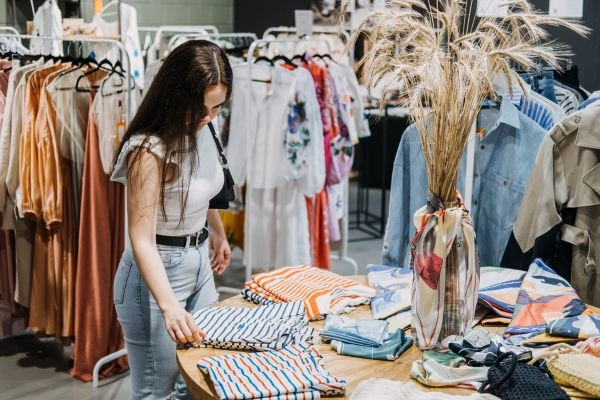
Key Characteristics of Fast Fashion:
- Low Price: The goal is to make fashion affordable for everyone, even at the cost of quality and ethical production.
- Trendy and Frequent Releases: Fast fashion brands release new collections rapidly to keep up with current trends, often introducing new styles every week.
- Mass Production: These clothes are manufactured in large quantities to quickly meet demand, leading to excess waste and a shorter product lifespan.
- Labor Exploitation: Cheap labor in developing countries is often used to cut costs, leading to poor working conditions and unfair wages.
The fast-fashion model thrives on affordability and instant access to the latest trends, but it raises serious concerns about sustainability and broader societal and environmental impacts.
The Environmental Impact of Fast Fashion
One of the most significant drawbacks of fast fashion is its environmental footprint. The industry is responsible for a large portion of the world’s carbon emissions, water consumption, and textile waste. Clothing is produced quickly and in large quantities, but it is often made from non-biodegradable materials such as polyester and nylon. As a result, fast fashion contributes heavily to pollution, as these synthetic fabrics don’t break down naturally in landfills.
Key Environmental Impacts:
- Water Waste: The fashion industry is among the largest water users globally. Producing cotton and synthetic fibres requires large amounts of water, which strains local water resources, especially in areas already facing water scarcity.
- Pollution: Toxic chemicals used in dyeing and treating fabrics often end up in waterways, harming local ecosystems and communities.
- Textile Waste: Fast fashion prompts consumers to purchase more clothes than necessary, leading to a substantial rise in textile waste. Many items are thrown away after only a few uses, contributing to the growing landfill problem.
What Is Slow Fashion?
Slow fashion, in contrast, is a movement that advocates for quality, sustainability, and ethical production practices. It focuses on creating timeless, well-made clothing that lasts longer, with an emphasis on conscious consumption and reducing waste. Slow fashion brands prioritise sustainable materials, fair labour practices, and environmentally friendly production methods. Instead of rushing to keep up with the latest trends, slow fashion encourages people to invest in fewer, but higher-quality items that can be worn for years.
Key Characteristics of Slow Fashion:
- Sustainability: Slow fashion prioritizes eco-friendly fabrics such as organic cotton, hemp, and wool. Many slow fashion brands also use recycled materials and work to reduce their carbon footprint.
- Quality Over Quantity: Slow fashion promotes buying fewer, better-quality pieces that last longer rather than constantly chasing cheap, trendy items.
- Ethical Labor Practices: Slow fashion brands ensure fair wages, safe working conditions, and ethical treatment of workers, often partnering with artisans and small-scale manufacturers.
- Timeless Design: Slow fashion encourages creating pieces that won’t go out of style quickly, prioritizing longevity over fast trends.
Brands like Patagonia, Everlane, and Reformation are leaders in the slow fashion movement, offering stylish, sustainable clothing that aims to reduce the industry’s negative environmental impact.
The Benefits of Slow Fashion
Slow fashion offers a variety of benefits, not only for the planet but also for consumers and workers in the industry. By choosing slow fashion, individuals can make a real difference in the way clothing is produced and consumed.
Key Benefits of Slow Fashion:
- Less Waste: Slow fashion promotes mindful purchasing, which helps reduce the overproduction of cheap, disposable clothing. Fewer, better-quality items mean less waste and a more sustainable wardrobe.
- Environmental Responsibility: By prioritising eco-friendly materials and sustainable production methods, slow fashion helps reduce pollution, water use, and waste associated with the fashion industry.
- Ethical Labour Practices: Slow fashion supports fair wages and safe working conditions, helping improve the treatment of workers in the garment industry.
- Longer Lifespan for Clothes: Slow-fashion pieces are designed to last, offering durability and timeless style that can ultimately save consumers money in the long run.
Slow fashion is a powerful way for consumers to make more sustainable and ethical fashion choices, helping to create a future where fashion is both stylish and responsible.
Fast Fashion vs Slow Fashion: Which One Is Right for You?
Deciding between fast fashion and slow fashion ultimately comes down to your personal values and lifestyle. If you enjoy experimenting with trends and don’t mind replacing clothes frequently, fast fashion might be more appealing. However, if you’re looking to build a more sustainable wardrobe and make a positive impact on the planet, slow fashion offers a more responsible alternative.
Questions to Consider:
- How long do you keep your clothes? If you often find yourself discarding clothes after only a few wears, slow fashion might be a better choice.
- Do you want to contribute to environmental sustainability? If reducing your environmental footprint is important, slow fashion provides eco-friendly alternatives to fast fashion.
- How much are you willing to invest? Slow fashion may come with a higher upfront cost, but it tends to be an investment in quality, lasting pieces.
By carefully considering your fashion choices and aligning them with your values, you can make more conscious decisions that align with your personal style while benefiting the environment and supporting ethical labor practices.
How to Transition from Fast Fashion to Slow Fashion
If you’re new to the slow fashion movement, transitioning away from fast fashion may seem daunting. However, making small changes can have a big impact. Start by taking inventory of your current wardrobe and identifying the pieces that are worn out or no longer serve you. Then, commit to buying fewer, but higher-quality items from brands that align with your values.
Tips for Transitioning to Slow Fashion:
- Buy Less, Choose Wisely: Instead of constantly buying trendy items, focus on classic, timeless pieces you can wear for years.
- Invest in Quality Over Quantity: Look for well-made clothing made from sustainable materials, even if it means spending a little more up front.
- Embrace Secondhand and Vintage: Thrift stores and vintage shops are great places to find unique, high-quality pieces at a fraction of the cost.
- Support Ethical Brands: Look for brands that prioritize sustainability, fair labor practices, and eco-friendly materials.
The transition to slow fashion doesn’t have to happen overnight. With time, you can build a wardrobe that reflects your values while reducing your environmental impact.
Frequently Asked Questions
- What Is The Main Difference Between Fast Fashion And Slow Fashion?
Fast fashion is about quickly producing inexpensive, trendy clothing, often at the cost of quality and ethical practices. Slow fashion, on the other hand, focuses on creating high-quality, sustainable clothing with ethical production and timeless designs.
- How Does Fast Fashion Impact The Environment?
Fast fashion contributes to environmental issues by promoting overconsumption, excessive waste, and pollution. The production process uses large amounts of water, energy, and chemicals, while garments often end up in landfills after only a few wears.
- Is Slow Fashion More Expensive Than Fast Fashion?
Yes, slow fashion tends to be more expensive upfront because of its focus on quality, sustainable materials, and ethical production. However, these items often last longer, making them a better investment in the long run compared to fast fashion.
- Why Should I Choose Slow Fashion Over Fast Fashion?
Choosing slow fashion supports sustainability, ethical labour practices, and reduced waste. Slow fashion focuses on creating durable pieces that contribute less to environmental harm, offering timeless, high-quality items that last longer.
- How Can I Start Transitioning From Fast Fashion To Slow Fashion?
Start by buying fewer, higher-quality pieces, embracing secondhand shopping, and supporting ethical brands. Focus on timeless pieces that can be worn for years rather than following fleeting trends.
The Future of Fashion
The debate between fast fashion and slow fashion is more than just about personal style. It’s about the future of the fashion industry and the planet. Fast fashion has made clothing more accessible, but at a high environmental and social cost. Slow fashion offers a sustainable alternative, focusing on quality, ethics, and timeless design. By making mindful choices, consumers can help shift the fashion industry toward a more sustainable future.
As awareness grows, more people are embracing slow fashion, choosing pieces that align with their values and contribute to a healthier planet. Whether you’re looking to reduce your environmental impact, support ethical labor practices, or build a more sustainable wardrobe, slow fashion offers a path to a more thoughtful, responsible way of shopping. By making conscious choices and focusing on quality, we can all contribute to a better, more sustainable future for fashion.